
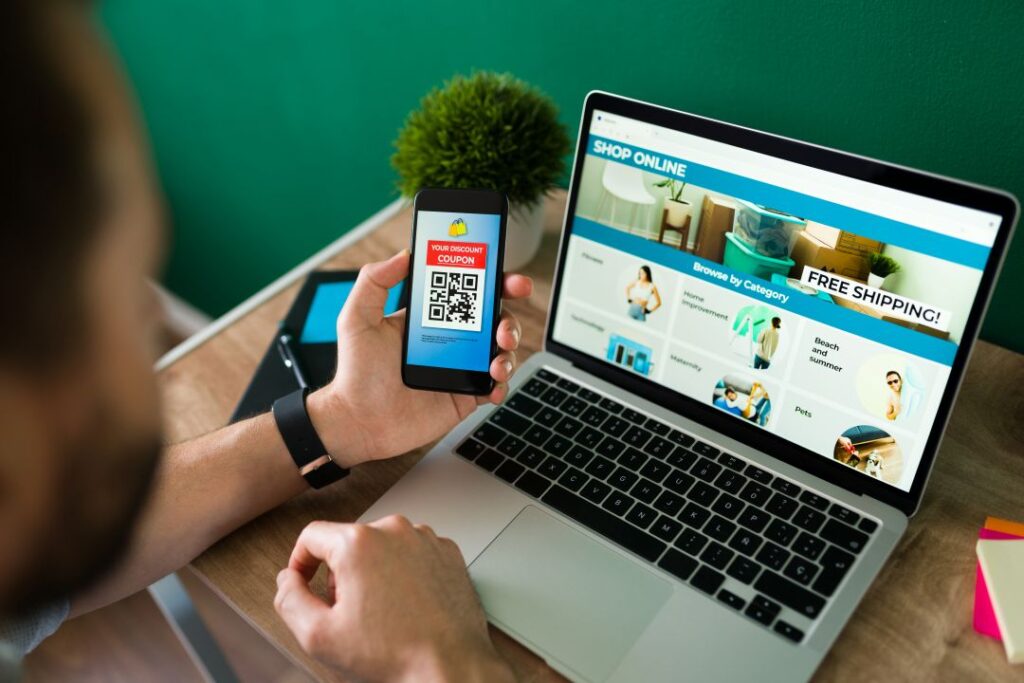
Selling online allows businesses to reach customers across Malaysia and beyond, at any time of the day. A well-designed e-commerce website in Malaysia gives businesses greater control over their brand, product pricing, customer experience and store operations instead of relying entirely on third-party marketplaces.
However, launching an online store is only the first step. To attract customers and encourage purchases, businesses need a website that is easy to use, secure and designed to make online shopping convenient.
1. Create Clear and Informative Product Pages
Product pages help customers decide whether an item meets their needs. Each page should include high-quality product photos, clear descriptions, accurate prices and relevant product specifications.
Where appropriate, include customer reviews to help shoppers understand other buyers’ experiences. Make sure product information is accurate and avoid exaggerated claims that could mislead customers.
A well-organised product page helps visitors understand what they are buying and makes it easier for them to move towards checkout.
2. Make Checkout Simple and Convenient
A complicated checkout process can discourage customers from completing their purchases. Keep the process straightforward by requesting only the information needed to fulfil an order.
For an e-commerce website in Malaysia, consider offering suitable local payment options, such as online banking, e-wallets and credit or debit cards, depending on your payment provider.
Display delivery fees, payment methods and any additional charges clearly before customers confirm their orders. A transparent checkout experience helps shoppers understand the total cost and make informed decisions.
3. Provide Clear Shipping and Return Policies
Customers want to know when their orders will arrive and what happens if a product is damaged, unsuitable or needs to be returned.
Display your shipping fees, estimated delivery times and return conditions in an easy-to-find location. Make sure your policies are clear and consistent with the applicable consumer protection requirements.
Providing this information before checkout can reduce confusion and help customers shop with greater confidence.
4. Prioritise Website Speed and Security
Website performance is particularly important for online stores. Slow pages, broken links or checkout errors can frustrate shoppers and interrupt purchases.
Choose reliable Web Hosting to support website performance and availability. Optimise images, minimise unnecessary plugins and test important pages regularly.
Security is equally important. Use HTTPS with a valid SSL/TLS certificate, keep your website software updated and work with trusted payment providers. These measures help protect website connections and support a safer shopping experience.
5. Optimise Your Online Store for Mobile Devices
Many shoppers browse products and place orders using smartphones. Your e-commerce website should therefore work smoothly on smaller screens as well as desktop computers.
Use readable text, clear navigation, appropriately sized buttons and mobile-friendly product images. Test the entire purchasing process on different screen sizes, including adding products to the cart, entering delivery details and completing payment.
A convenient mobile experience makes it easier for customers to browse your products wherever they are.
6. Attract Visitors Through Digital Marketing
Once your online store is ready, you need ways to help potential customers discover it.
Search engine optimisation (SEO) can help relevant product and category pages appear in organic search results. Social media can showcase products, introduce promotions and encourage conversations with potential customers. Email marketing can help you maintain relationships with subscribers who have agreed to receive updates.
These channels work best when they support clear business goals and direct visitors to relevant pages on your website.
7. Use Email Marketing Automation to Encourage Repeat Purchases
Email marketing automation can help online stores communicate with customers at useful points in the shopping journey.
For example, businesses may send an abandoned-cart reminder when a shopper leaves products in their cart, a confirmation after an order or a follow-up message with relevant product information.
Promotional emails can also introduce new products or special offers to subscribers who have provided the appropriate consent.
Explore our guide to Email Marketing Automation to learn how automated email workflows can support your wider digital marketing efforts.
Build an E-Commerce Website That Supports Your Business
An effective e-commerce website in Malaysia should do more than display products. It should provide clear product information, a convenient checkout, reliable performance, secure connections and a smooth mobile experience.
By combining these essentials with relevant digital marketing activities, businesses can create a more convenient shopping experience and give customers more reasons to return.
Ready to launch your online store? Contact Sliver Interactive to discuss an e-commerce website that suits your products, customers and business goals.